

20 products derived from carbon for industrial use

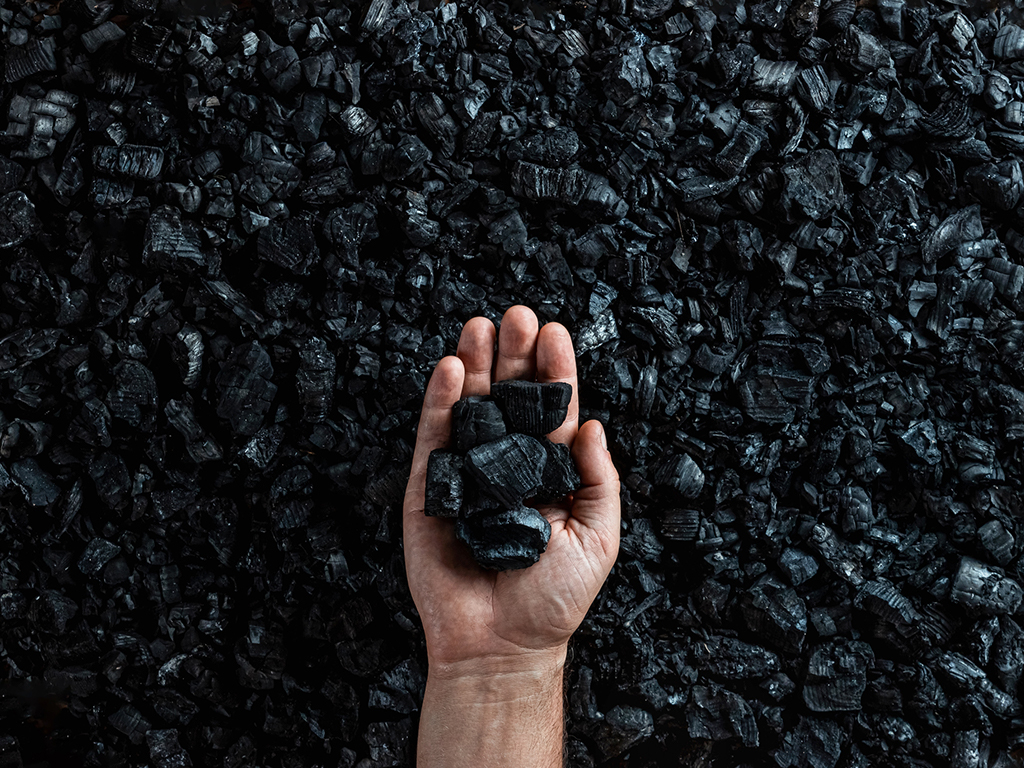
Carbon is the second most abundant element in the human body and is one of the elements that makes up 96% of the organic living matter on our planet. In addition, it is necessary for any type of combustion and is essential for the alloying of steels. For this reason, we share with you the 20 products derived from carbon that you can implement.
In nature it can occur in different forms with particular characteristics: mainly carbon and graphite. Although these two allotropes of carbon have the same origin, the composition of their atomic structure is different, which gives them specific characteristics and properties. Learn more about the 20 carbon-derived products and how they can help you.
20 carbon-derived products
There are a myriad of carbon derivatives present in industrial products and specifically carbon-derived products. We will mention the 20 most common carbon-derived products and how they can be used in industrial settings.
Coal
It is a product derived from petroleum, thanks to pyrolysis, and is mainly used as a reductant and fuel in blast furnaces.
Synthetic oil
Coal can be processed by direct liquefaction to obtain a crude oil that is quite similar to natural oil.
Heating and food preparation
In a domestic environment, coal is used for space heating or for food preparation in charcoal stoves.
Combining and strengthening of metals
In the iron and steel industry, it is used to heat spaces or to prepare food in charcoal stoves.
In the steel industry, it is common for iron ores to be mixed with coal to obtain greater strength and elasticity. From this, steel, soft iron or cast iron is obtained.
Obtaining chemical products
Thanks to the gasification of coal, synthesis gas is obtained, composed of hydrogen and carbon monoxide. This is used to obtain, for example, gasoline, methanol, ammonia, etc.
Coal ash
It has a great potential to release waters with toxic pollutants such as arsenic, heavy metals in general, boron, etc.
Carbon fiber
Made from thousands of carbon filaments, it is a synthetic fiber composed mainly of carbon with durability, flexibility and high strength. It is currently widely used in the automotive industry, aircraft parts, sports in general, boats, blades for windmills, etc.
Lubricants and suspensions
Graphite, being a form of carbon and self-lubricating material, is one of the main materials for the manufacture of suspensions and dry lubricants, which are resistant to high temperatures. They can also occur in greases or oils.
Solvents
They are widely used in personal care products, pharmaceuticals, paints, pesticides, cleaning products, etc.
Polyurethane
Polyurethane is a commonly used plastic material used in coatings, tires, shoe soles, mattresses, insulation, adhesives, etc.
Anthracite
Filter media for domestic or industrial use that when combined with filtering sands clarifies water. It can have up to 95% carbon content.
Solid graphite
Due to its properties such as resistance, hardness, lubrication, etc., graphite is used for machining bushings, tubes and inserts of other parts.
Graphite gaskets
They are composed of expanded or flexible pure graphite flakes that are mechanically bonded together. They can be easily adapted to sealing surfaces and are excellent for applications in contact with chemicals as well as high pressures and temperatures.
Packings
The most frequently used are mineral and synthetic fiber braids, the most common materials being asbestos fibers, PTFE fibers, expanded graphite, carbon fibers, aramids, etc.
Carbon composites
Graphite powder and petroleum coke
These are pulverized versions of graphite and carbon respectively and are handled in different granulometries. It is used in coatings, lubricants, steel manufacturing.
Graphite yarns
They offer packings with greater lubrication, as well as a higher thermal conductivity that prioritizes heat dissipation by friction. This in addition to having higher thermal stability compared to carbon fiber yarns.
Graphitized cord
Because it is compatible with almost all industrial fluids, it can be used with thermal oils or high peripheral speeds because it maintains a low coefficient of friction. It is manufactured from pure expanded graphite and guarantees zero leakage during its lifetime.
Graphite in batteries
Alkaline batteries use it as a conductive additive in the cathode. Lithium-ion rechargeable batteries use graphite as an anode active ingredient, and in the case of fuel cells, the bipolar plates are usually made of graphite.
Glass industry
Graphite is used for blown glass molds or components in float glass furnaces, as well as for container handling in production lines.
Now that you know some products derived from carbon and graphite, remember that in ESGRAF we handle graphite and carbon for industrial use. Improve the performance of your processes with graphite and carbon products, contact us!